People often come to Baku curious about architecture, oil history, or the Caspian Sea.
They leave remembering the food.
We have been guiding food and wine tours in Baku for 5 years, and one thing never changes: travelers understand this city much better after eating their way through it. Not in restaurants designed for visitors — but in bakeries, streets, markets, and small places locals use without thinking twice.
This guide is how we usually explain Baku through food. What to eat, where to eat it, and why it matters — the same way we do on our Baku food tours.
Why Baku Food Tours Are the Best Way to Understand the City
Baku is not a city that explains itself easily.
It’s layered, contradictory, and shaped by many influences — Persian, Russian, Soviet, oil-boom modernity.
Food is where all of this becomes readable.
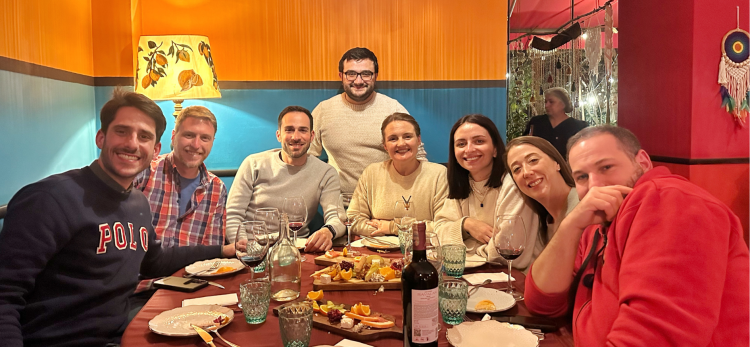
On a Baku food tours, we don’t just eat. We walk. We stop. We talk. We watch how people order, share, insist, and host. You start noticing things you’d never catch sitting in a restaurant:
- Why meals are rarely rushed
- Why food is always shared
- Why hospitality here feels non-negotiable
Food tours work in Baku because food is how locals communicate care, trust, and belonging.
What You Eat on a Baku Food Tour (Not a Tourist Menu)
Street Food Locals Actually Eat
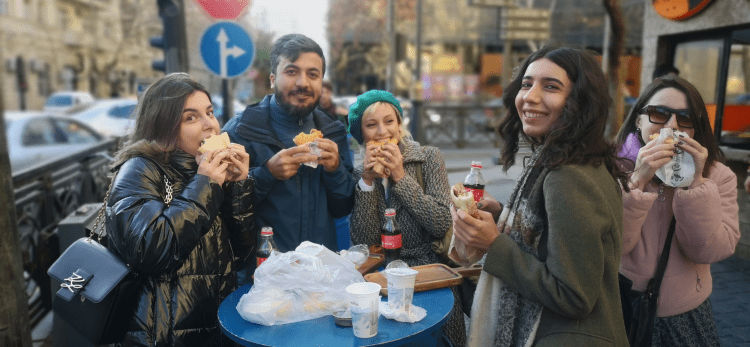
Baku street food is practical. It’s not flashy and it doesn’t try to impress.
It exists to feed people well, quickly, and honestly.
On a proper Baku street food tour, we taste things like:
- Qutab — thin flatbread cooked fresh and eaten hot
- Tandir bread from traditional ovens
- Savory pastries from bakeries and kababs stalls people visit daily
This is the food locals grab between errands, lunch breaks or on the way home. No signs, no translations — just habit.
Home-Style Dishes That Need Explanation
Some Azerbaijani dishes confuse visitors at first. Not because they’re strange — but because they’re contextual.
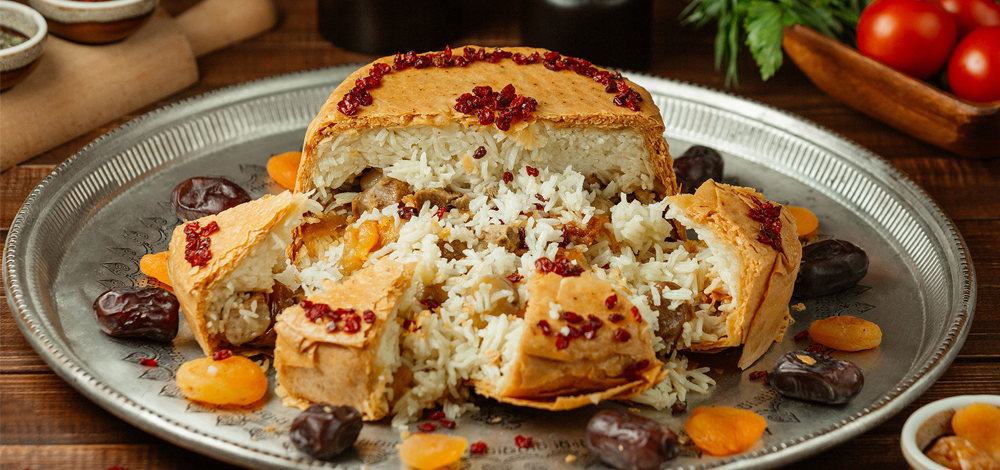
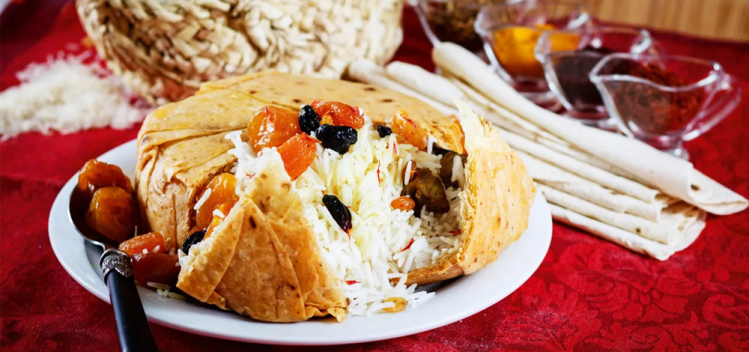
Take plov. It’s not “rice with things.”
It’s about balance, timing, and restraint.
Or dolma — which changes completely depending on the season, the family, and the region.
On food tours, We explain not just what these dishes are, but:
- When people eat them
- With whom
- And why they matter
Without that context, you miss half the story.
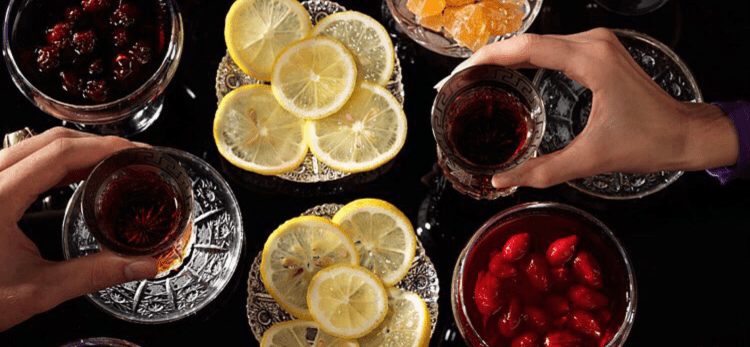
Tea, Sweets, and the Art of Slowing Down
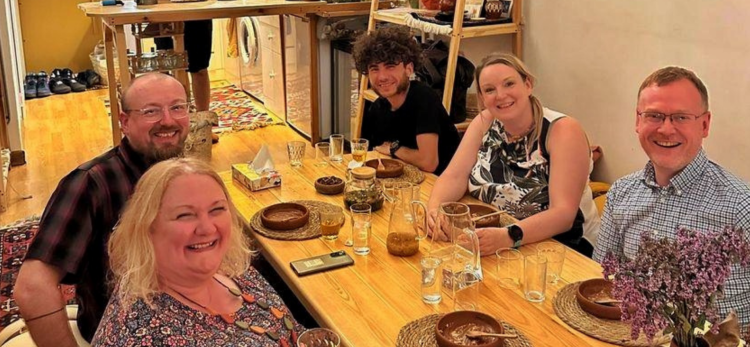
Tea is when Azerbaijani people slow down.
You don’t drink tea because you’re thirsty. You drink tea because you’re staying and want to share more with people.
Served with sweets like pakhlava, shekerbura, or simple jams, tea marks a pause — after food, before goodbyes, or during long conversations.
On food tours, tea is often the moment when travelers stop being visitors and start feeling hosted.
Where Baku Food Tours Take You (And Why That Matters)
Good food tours in Baku don’t revolve around famous restaurants.
They revolve around:
- Neighborhood bakeries
- Small street kitchens
- Markets where locals argue gently over produce
- Wine bars locals return to regularly
These places don’t market themselves.
They don’t adapt.
They don’t explain.
That’s why having a local guide matters — not to “unlock secrets,” but to help you feel comfortable in everyday spaces.
Wine and Alcohol Culture in Baku
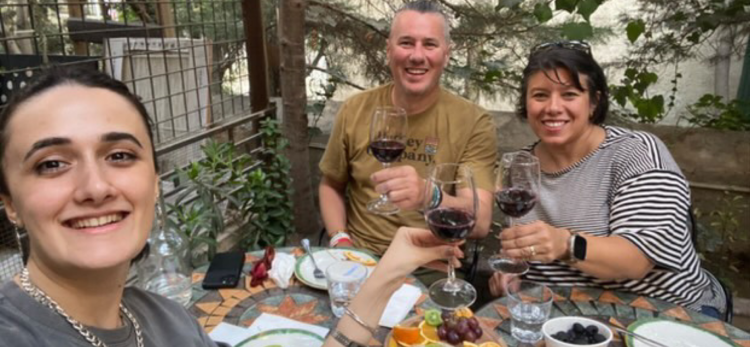
Many people are surprised to discover how naturally wine fits into Azerbaijani life.
Wine here isn’t ceremonial.
It’s social.
Azerbaijan has a long wine history, but in Baku today, wine is simply part of the table — especially in the evening.
On wine and food tours, I usually explain:
- What locals actually drink
- Why wine bars feel relaxed, not formal
- How alcohol fits comfortably into meals
This is also why wine tasting tours in Baku feel authentic — they reflect real habits, not performances.
Why Food Is Central to Azerbaijani Hospitality
In Azerbaijan, offering food is not polite.
It’s necessary and it breaks personal boundaries. The idea of privacy becomes relic of the past.
You’ll notice:
- Plates being refilled without asking
- Guests urged to eat more even when full
- Hosts eating last
Food is how people show respect and care. Refusing it too firmly can feel uncomfortable — because food is never just food here.
Understanding this changes how you experience every meal.
Is a Baku Food Tour Worth It?
You can absolutely eat your way through Baku on your own.
But without guidance, you’ll likely miss:
- Why certain foods appear together
- Why some places matter more than others
- How locals navigate menus and etiquette
- The stories behind what you’re eating
A Baku food tour doesn’t replace exploration — it deepens it.
What Makes a Good Baku Food Tour?
From a local guide’s perspective, a good food tour in Baku should:
- Be walkable and slow
- Focus on everyday places
- Avoid tourist-only menus
- Explain culture, not just cuisine
- Feel conversational, not scripted
Food tours here work best when they feel like being shown around by someone who actually eats this way.
Experience Baku Through Food
If you want to understand Baku — not just see it — food is the most honest entry point.
This is exactly how we approach our Baku food tours:
walking, eating, explaining, and letting the city reveal itself naturally.
Food doesn’t just feed you here.
It introduces you.
 Baku Food and Wine Tours