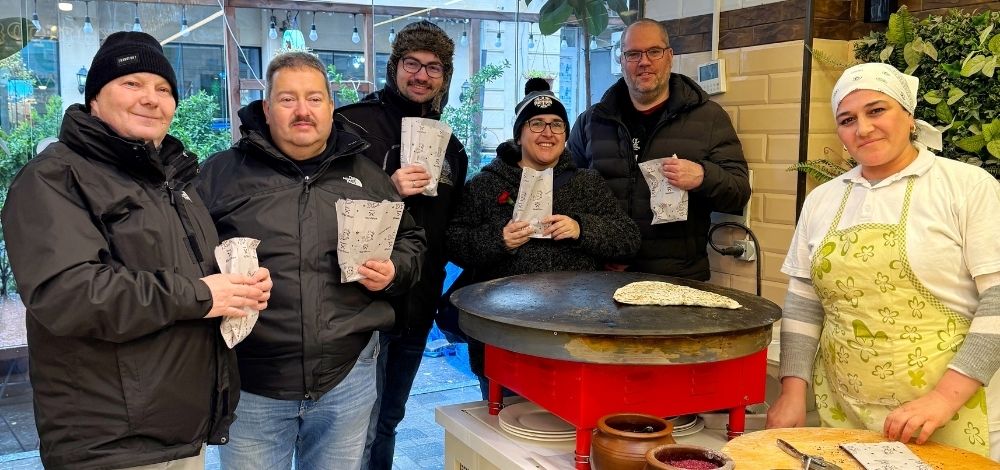
Street food in Baku is part of life on the move. It belongs to students between classes, young professionals on short breaks, taxi drivers, and people moving between errands. This is not destination dining. It is food that keeps the day going.
As a local guide running Baku street food tours, I often tell guests that the fastest way to understand the city is to watch where people eat when they don’t have time to stop.
What Street Food Means in Baku
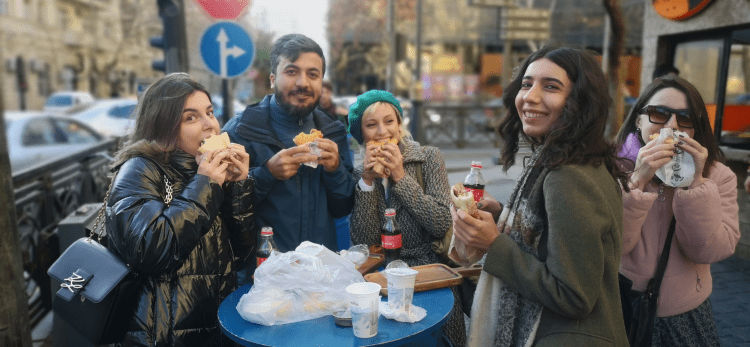
Street food in Baku is quiet and efficient. Most places consist of a counter, a few stools or small tables, and food prepared continuously throughout the day. People may sit for a minute, stand while eating, or take food away. Nothing is designed for long stays. Street food respects time and movement.
Who Eats Street Food in Baku
Baku street food is everyday fuel. You mostly see young people, working-class locals, and students grabbing something quick before moving on. It’s eaten between obligations, not as an event. This is why street food here feels alive — it’s embedded in daily routines rather than separated from them.
Doner: The Default Street Food of Baku
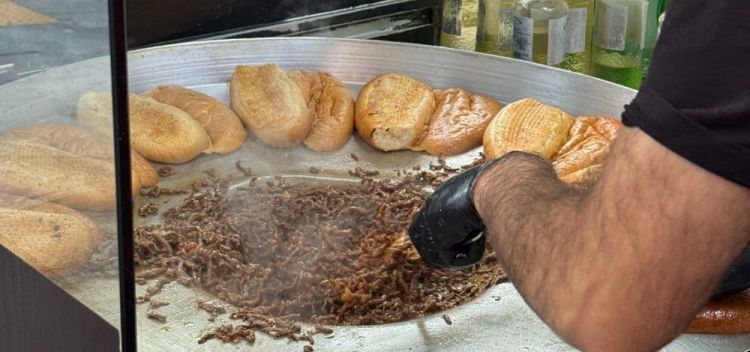
If we’re honest, doner dominates Baku street food. It is affordable, predictable, and everywhere. For many locals, doner is the quickest answer to hunger during a busy day. It plays an essential role in the street food landscape and reflects the city’s pace.
But doner is not the whole story — it’s only the surface.
The rest of Baku street food lives in quieter places and smaller moments, and it rarely reveals itself on its own. You have to know where to pause, where to stop, and what to order. That’s when the city starts feeding you properly.
Beyond Döner: The Real Potential of Baku Street Food
Baku street food has far more depth than most visitors expect. Beyond doner, there is a rich layer of native foods that deserve attention — foods that are faster, lighter, and more closely tied to local habits.
Qutab: The Street Food That Defines Local Taste
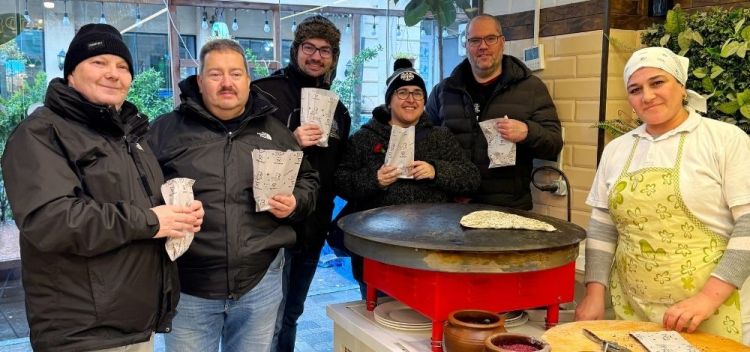
Qutab is one of the most important street foods in Baku. Thin, freshly cooked flatbread filled with herbs, meat, or pumpkin, it is eaten hot and quickly. Unlike döner, qutab changes with the season and reflects local preferences. It is simple, flexible, and deeply rooted in everyday life of pastoral food lifestyle of Azerbaijani people.
Bakeries and Native Pastries
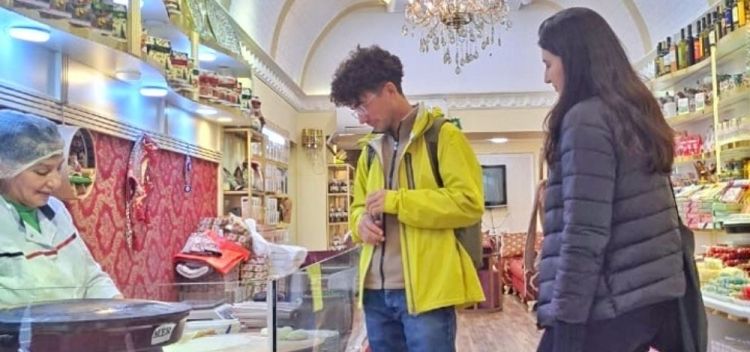
Many of Baku’s best street food stops are bakeries. These places produce fresh bread, savory pastries, and seasonal baked goods meant to be eaten the same day. Most bakeries have a few seats for those who want to sit briefly, but the rhythm remains fast. Locals come, buy, eat, and continue their day without ceremony.

Street Food as a Pattern, Not a Meal
Street food in Baku is not designed to replace lunch or dinner. It works as a pattern of small stops throughout the day — a pastry here, qutab later, tea somewhere in between. Understanding this rhythm helps visitors read the city correctly.
Why Tourists Often Miss the Best Street Food
Tourists usually search for rankings and “must-try” lists. Locals don’t eat that way. They return to the same trusted places, value consistency over novelty, and rarely experiment. Some of the best street food spots in Baku look unremarkable until you notice how often people come back.
Is Baku Street Food Safe?
Street food in Baku is part of daily life. Locals eat it constantly, often from the same places for years. Busy spots stay busy because food moves quickly and freshness is visible. Knowing how to read these signs matters more than reading reviews.
Experiencing Baku Street Food With a Local Guide
You can eat doner anywhere in Baku. A street food tour shows you what lies beyond it — how qutab, bakeries, and native snacks fit into daily life, how people eat quickly but intentionally, and how food reflects the city’s social rhythm. Context turns eating into understanding.
Final Thought
Baku street food is modest, efficient, and often underestimated. Doner dominates the streets, but it does not define the culture alone. When you look beyond it — toward qutab, bakeries, and native foods — you see the city moving at its own pace.
Explore our Baku Street Food Tours and experiences in Baku
Related Posts You Might Enjoy:
- Top 5 Best Döner Joints in Downtown Baku
- Baku Food Guide: What to Eat & How to Eat?
- Alternative Guide to Azerbaijani Foods and Eating Lifestyle
- A Guide to Baku’s Iconic Architectural Landmarks
Written by: Food&Wine Guides in Baku
www.bakufoodtours.com
 Baku Food Tours | Azerbaijani Culinary & Wine Experiences